Posted on

Mudfever/ Sweet itch/ Rainscald testimonials: 

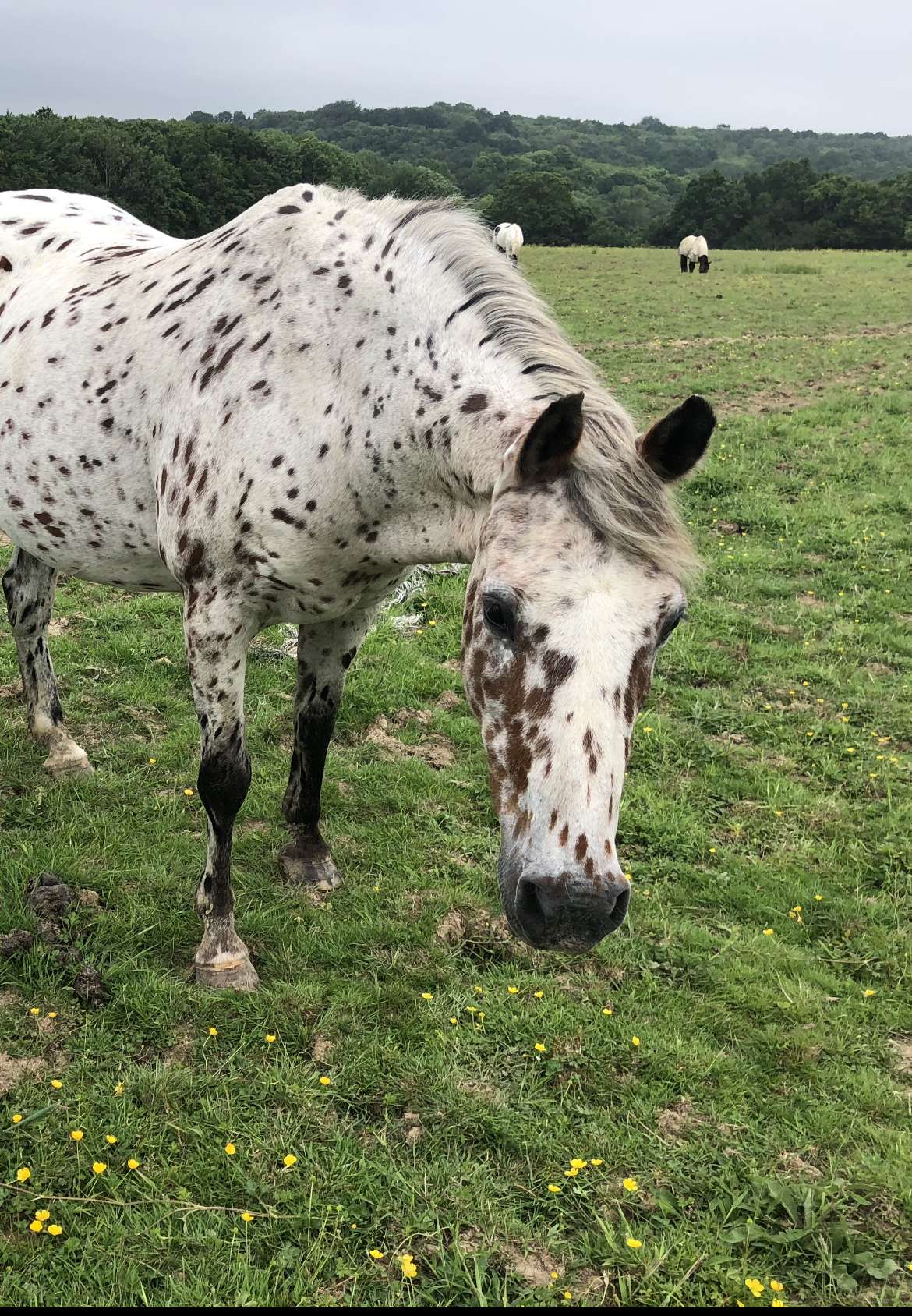
Skewbald Horse with Multipurpose Equine Oil

Sue Wild: My boy has mud fever recently (maxi cob with clipped feathers), bathed with hibiscrub at night, then flamazine cream, oil2horse in morning before turnout for a few days, all gone & no reaction from other chemicals. I didn’t use oil2horse for a few days previous to the mud fever due to lack of time. Taught me a lesson! Love the product

Rebecca Dodds: Very happy with the oil. Made his usually dreadlocked tail so easy to brush out! Love the results and would defiantly recommend. Not a greasy oil at all

Sarah Kilsby: Got my oil 2 horse and I have washed all 4 feet blow dried & applied this oil yesterday. She’s already stop scrubbing herself against fence posts and the gate post. applied it to her tail and I have actually managed for the first time in 2 whole years to get through it from the inside and out. Her Feathers are silky soft & smooth! I will continue to use this product every other day and will take pics as I go but for my first time using this I am well impressed!! M thanks

Melanie Bastianiello: Would usually take me about 2wks to get thru this mane! Rubbed the oil in yesterday,brushed it thru today,soooo much easier!

Beverly Anderson: Just to say I have been using this product on my horse who suffers from sweet itch. Last year for the first time she started to rub out the tops of her legs and made them very sore {looked like eczema] She started to do the same this year so I used oil 2 horse on her the result was amazing she stopped within 48hrs and her legs are now cleared up so have been using it on her body mane and tail she has not rubbed her tail at all and now has a lovely shiny coat. I do also use Global herbs itch stop and she wears a snuggy hood.

Caroline Stannard: Highly recommend this “Oil 2 Horse”, nearly finished my 1st bottle & just ordered my 2nd as it’s so good! My girl had a short mane, lots of scrapes from rubbing & pink skin showing on feet where overeach boots had rubbed. 4 weeks later & all her scrapes had hair grown back, her mane has grown considerably & even new hair coming through on both feet! This was the worse scrape, now fully re-grown, great stuff!!! X

Paige Hobart: We’ve been using your oil for a few months now and it’s had great results for my mares dermatitis.

Michelle Reece: I have been battling mud fever and very scabby knees for 2 years on my heavily feathered cob. Spent hundreds on vet bills and tried many different potions. Have used oil 2 horse about 4 times and it has healed it all. Amazing stuff. Clipped his feathers off today to see what was going on and it has all gone! Would definitely recommend….

Gail Fitzsimmons: Well been using it on my boys itchy skin and my stallion it’s working really well he has stopped itching so pleased first thing that has worked. he was making it bleed itching so much but has stopped now so I’m happy and happy Xmas and new year thank you oil 2 horse x

Judith Hall: I have to say had horses all my life and it’s bloody wonderful! Brilliant stuff

Lisa Prescott: Can I just say – Fantastic Product !!!!!!!

Having tried everything for my girlies Chiroptes mites ( dectomax inj / pig oil/ heel to hoof / udder cream/ frontline) for a total of 15 years – Your product is the solution !!

A week of soaking into the skin has stopped ALL the thick scabs around her fetlocks, knees & thighs – I still keep the hair short & now only have to “spot treat” the occasional dry area.

She no longer chews or stamps – I have a happy horse!

As she is 21 years old, it’s about time – I am recommending your product to anyone that will listen. Many Thanks – Lisa & Nutmeg

You can also add – as a vet nurseI know this is not Pig Oil , as my horse has a major reaction to that ( to the point that she won’t let me near her legs !)

UPDATE JULY 2016
Still love this product & use it twice a week – scabs from the mites are kept at bay – thanks Oil 2 Horse

Rebecca Unwin: Would like to say a huge thank you I have no idea what is in this miracle oil but I’m very glad it’s available for my boy He has all white legs with pink skin- in other words hyper sensitive and prone to mud fever I’ve since ordered my second 2litre bottle Harry now is mud free, sore free and scab free! He’s a happier horse and I now no longer dread winter Thankyou!

Lynn Clinkard: ‘ Used it on my TB with four white socks. Terrible mudfever on one hind leg and it was gone very quickly using oil 2 horse. Highly recommended xx’

Amy Jardine: BEST STUFF EVER USED!!! Oil 2 horse is a miracle worker. First started using this on the 22nd January and 4 days later I have seen a MASSIVE difference. Fare to say in a few days my horses legs will be mud fever free and we can start to get fit for summer. Best stuff ever and will totally be recommending to everyone. My horse is so much more happy and lively. Iv used so many creams and lotions and nothing worked apart from this. Honestly worth the money.

So happy I found oil 2 horse won’t ever use anything else for mud rash ever again. Thank you for creating such an amazing product

Louise Ingram: 2 of my horses had scabby legs like these, oil to horse has helped clear them up in no time, even the tb with 4 white legs! Despite that they’re still turned out daily when they’re not hunting.

Caroline Green: Just bought second bottle fab stuff to do tails, cause the legs are fab, always used pig oil in the past but this is better by far

Fiona ScottLockyer: Excellent stuff… It also sorts out crappy tangly tails.. Well, I had it for dealing with mite issues on one so bunged it in tails to stop claggy impossible grooming… Yup,.. Does that too!

Kaylee Ealson: It’s amazing my horses legs went for bleeding to clean scab free in 7 days!!! 100% recommend! Feb 2016

Carolin Green: really good stuff, on second bottle, really keeping mud off and cleared mudfever in days

ANGIE BROWN: ‘Hi brought this product the other day . Read the testimonials and thought, I bet her mates wrote them !

I have a itchy white feathered pink skinned little cob who reacts to everything even baby oil and a little native crossbreed who was stamping a hind leg .

Thought to myself I will try the oil to keep the mud off until the vet comes to give them the injection .

To my surprise no stamping no itching and more importantly no reaction !!!!

What is this stuff as it kinda feels like a miracle to me at the moment !!!’

Sally Bennett: It is fab mud repellent, I use it on all the points that get muddy, elbows, flanks, hocks, cheeks, eyes, top of neck, it’s brill. Also wipe my overreach boots with it, well soak them actually and the mud just rinses straight off. Not oily at all. Love it

Simon Stickley: Hi, my horse has suffered terrible with mud fever and I’ve tried everything including vet treatments all to do nothing. I’ve seen your product on here and thought I’ve nothing to lose so ordered it. AND it’s really cleared up and will not be using anything else. A massive thanks.

Nicky Bell: Oil 2 Horse , love this product , easy to apply, no staining no nasty aroma and worked a treat on mud fever . Lifted the scabs , kept the skin healthy which helped hair regrowth. I use it now for prevention because the horses need to get out but still go and play in the puddles …. Happy horses with scab free legs.

Sue Wild: Use it daily on legs, no mud next morning, oil clippers, use to keep mane & tail fab, brilliant stuff.

Vicky Martindale: I have recently purchased this, I have a coloured WB with four white legs and has been suffering from the dreaded mud fever! Not only legs but on her belly! Only been using a week and can see a noticeable difference ! Hair had stared to grow back nice on her belly and I am virtually scab free ! My horrible dry hands have also benefitted from massaging this in! Will defo carry on using this product!

Bev Amor: This is my product of the year !1 week and mallenders almost vanished , Tillie is letting me spray her legs as she now realises its helping her i cannot recommend this product enough 100% satisfaction

Sam Turner: This product has been great for me this winter. My con gets bad scabs behind his knees and my mare has very sensitive skin and I’ve used it on both and found it very good!

Gelnda Sheering: I also used this on my Irish sports horse,bad mad fever all his feet, gone within 4 days of using this fantastic stuff .

Angie Brown: Would just like to add this has been my best winter yet thanks to your oil . My hairy cobs feathers are in great condition and not stained thanks to your oil . I have applied every few days it’s amazing x

Emma Carr: After a long battle for 5 weeks with my 5 year old mare with very swollen and sore legs due to mud fever she had antibiotics pain relief creams endless vet visits you name it she’s had it. I was recommended oil 2 horse by a friend and can’t believe the difference after using it for just 2 days I was able to even ride as she had no swelling and most of the mud fever had disappeared. Very highly recommend the product and won’t be using anything else. Thank you

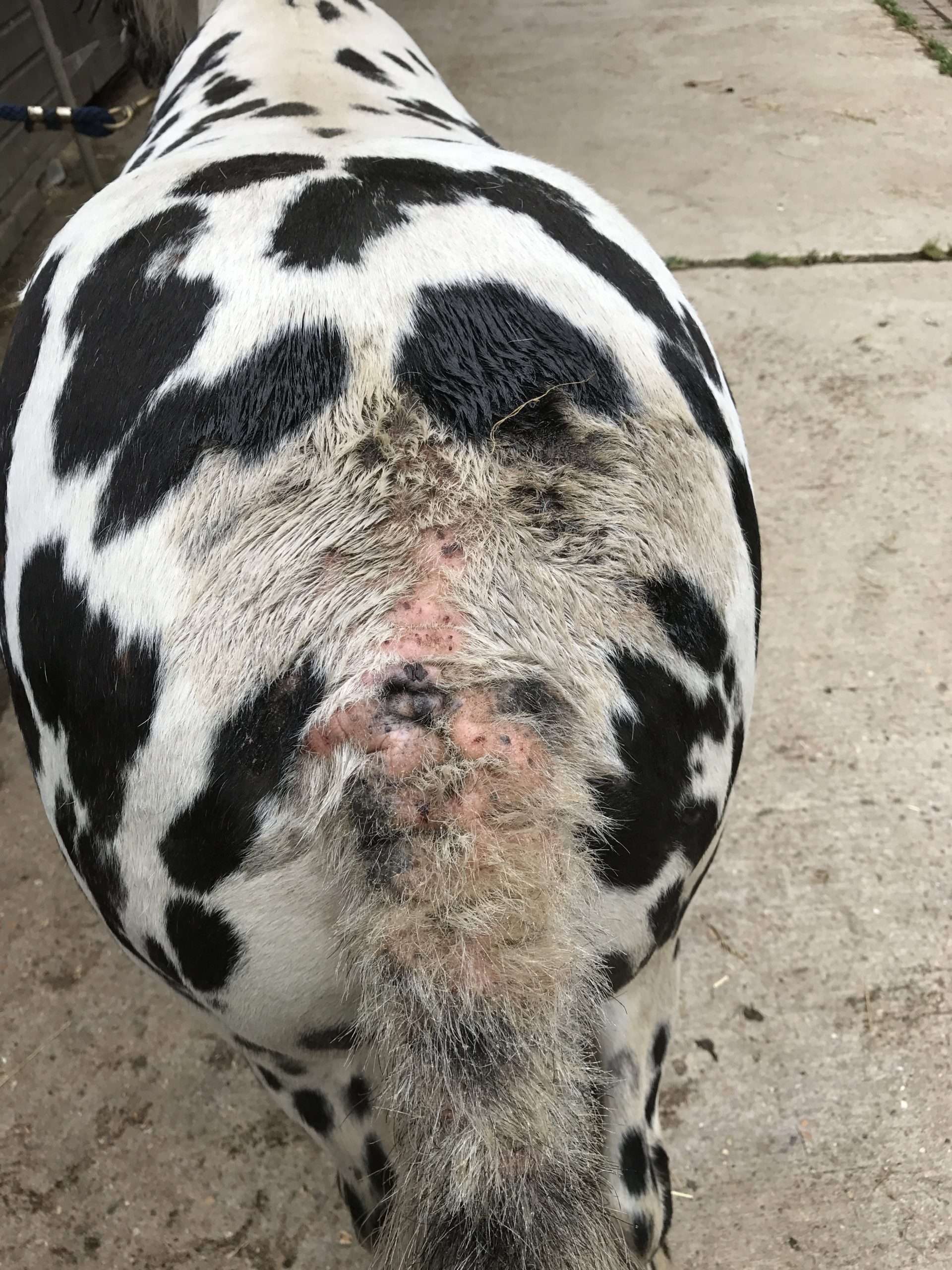
Amy Binch: I have to let everyone know how amazing this product is! My mare is suffering terribly with mud fever and raw bleeding scabs under her feathers and awful sore Mallenders on both front legs, she will not me go near her legs never mind touch them to clean them, she kicks out every time! So when I saw your product came in a spray bottle which I could apply from a safe distance I thought I’d try!

The photo is after ONE application, all that fresh pink skin and scabs coming away I can’t believe it!!! I still need to sedate her to clip her feathers off to get to her sore heels but I don’t doubt it will continue to help heal and from a safe distance too! Thank you!! April 2016

Isobel Bannister: Amazing product! Worked wonders on my fell pony who has sweet itch!

Carie North: Hi I’ve been using o2 oil on mysweet itch pony, I’ve try so many things !! The skin under is mare was hard sore and raw !! But just after two day of 02 oil his skin is soft and. Supple and the source of all cleared up and I’ve hardly seen I itch once, A fantastic product !! I will be purchasing it again

Tracey Dawson: It really does work wonders on severe sweet itch.. Totally gone in main and tail, encourages new hair growth as well. Brilliant stuff!!!!!

Judy Bullock: ‘I debated for a long time before trying Oil 2 Horse on my traditional cob due to the cost. I was using pig oil as well as baby oil and along side that using mane and tail spray to keep them from tangling. The spray is expensive and the cost adds up. I decided to try your product because he rubs his mane in the summer and the pig oil and sulphur didn’t stop this. I was amazed the first time I put it on his mane, it was absorbed much better than the baby oil and it left his mane looking like it had been deep conditioned. The end result is that I don’t need the mane and tail spray anymore so my costs have gone down! Great product.” May 2016

Sarah Kane: This truly is amazing!! I’m always sceptical of lotions and potions I wish I’d took a before and after picture of my horse, he had no mane left due to rubbing, none at all, just little tufts and now he has the most beautiful mane, I use it on all our showjumping ponies also, it really is amazing !!!!!!!!

Carie North: I can really say , this is such a good product!! , My sweet itch pony , as never been so happy !! . Where his skin was hard, dry !! Red raw ! It’s not any more with the use’s of oil 2 !! It’s Soft! no Rubbing his mare and tail out !! I’m not saying he never has a itch now but !! My pony has a better life !! Thx to oil 2 ! May 2016UPDATE JULY 2016- Got to say what a good product this really is not only for feather mites!! But I have a sweet itch pony !! And The results of been amazing !! His not got open sore anymore ! And his hair is growing back nicely !! And I not saying he don’t rub his self anymore !! Lol but I can say it’s gone from 100% to 10% so I couldn’t be happier with this Product X

Natalie Roantree: My billyboy had terrible rainscald all over his head

Used yesterday for the first time and its practically all gone

Used many creams before July 2016

Rachael Queen: It works! You name it i have tried it! Clipping all her gorgeous feathers off, Mite powder, Stinky stuff, pig oil n sulphur, detromax, potions lotions, washes from vets. Old wives tales treatments! NOTHING worked !!!! Until now! It actually does work, i used a couple of bottles as i was sceptical… I will never go back, its fabulous, great on her tail as well (thick massive tail) #gypsyvanner xx photos to follow My horse is also allergic to everything! Including baby suncream, really sensitive skin, this doesn’t react with her! Yipee!!

Sue Thompson: This is the only product that has worked for my big lad. I also used to have the mite injection but still he stamped and chewed at his legs. Well no more it’s snowing enormous relief for us both. Thankyou Oil to Horse x

Sue Wild: Been using for over a year, i use a lot! I use it for everything, oil my clippers, oil hogged mane & tail daily, stops him tail rubbing too, mainly use as I clip my boys feathers constantly and he has fat pads so has hard to get to creases, I need a good barrier to turn him out, never had a scab last year even in deep mud just brushed off the following morning then reapplied. Wouldn’t be without it.

Laila Naomi Carruthers

Well I can honestly say I love these products. The oil 2 horses was delivered on Friday and I can’t believe the difference already. Domino wasn’t happy when I put pig oil on her mane. She rubbed and rubbed until she was very very sore. So sore I was unable to get near her. I gave had a good wash and gave the OIL 2 HORSES a go. Her neck has gone from very red and angry to very pale pink almost white since Saturday. Domino is back to get normal self. She has been very unhappy very consumed by the pain. Huge lesson learnt I will never use pig oil again on any of my horses or ponies. Big thumbs up for OIL 2 HORSES. (Always do a patch test) fingers crossed her hair grows back very soon.
Loads more on the FB page too

Posted on

The Crucial Link: Exploring the Importance of Gut Health on Equine Skin

Horse in Field Rolling in Grass


Maintaining optimal health and well-being in horses encompasses various factors, and one often overlooked aspect is the influence of gut health on the skin. The equine gastrointestinal tract plays a significant role in nutrient absorption, immune function, and overall systemic health. In recent years, research has shed light on the critical interconnection between gut health and the condition of a horse’s skin. Understanding this relationship is vital for equine owners, trainers, and veterinarians to promote healthy skin and overall equine wellness.

1. Nutrient Absorption:
The digestive system is responsible for extracting essential nutrients from the horse’s diet, which are crucial for maintaining healthy skin. A compromised gut can impair nutrient absorption, leading to deficiencies that can manifest as various skin issues. Key nutrients, such as vitamins A, E, C, zinc, selenium, and essential fatty acids, are essential for skin health, wound healing, and maintaining a strong immune system. A balanced diet and a healthy gut ensure optimal nutrient absorption, which directly impacts the skin’s condition.

2. Microbiome and Immune Function:
The gut microbiome refers to the diverse community of microorganisms residing in the intestinal tract. It plays a pivotal role in maintaining overall health, including skin health. The gut microbiota interacts with the immune system, influencing immune response and inflammation. A healthy gut microbiome helps regulate the immune system, preventing excessive inflammation that can lead to skin disorders such as hives, allergies, or dermatitis. Imbalances in the gut microbiota, caused by factors like stress, poor diet, or antibiotic use, can compromise immune function and contribute to skin problems.

3. The Gut-Skin Axis:
The gut-skin axis describes the bidirectional communication between the gut and the skin. The integrity of the gastrointestinal tract is crucial in preventing the translocation of harmful bacteria and toxins into the bloodstream, which can trigger inflammatory responses and skin issues. A leaky gut, characterized by increased intestinal permeability, can allow the entry of endotoxins and other harmful substances, compromising the skin’s health. Conversely, skin conditions like allergies or dermatitis can alter the gut microbiota, disrupting gut health. Maintaining a balanced gut environment through proper diet, stress reduction, and targeted supplementation can positively impact equine skin health.

4. Digestive Disorders and Skin Problems:
Horses with digestive disorders, such as gastric ulcers, hindgut acidosis, or colitis, often exhibit skin-related symptoms. Equine gastric ulcers, for instance, can lead to poor nutrient absorption, weight loss, and a dull coat. Hindgut acidosis, caused by a disruption in the microbial fermentation process, can result in diarrhea, skin irritations, and hoof problems. By addressing the underlying digestive issues and promoting gut health, the associated skin problems can be effectively managed.

Conclusion:
Maintaining optimal equine skin health requires a holistic approach that considers the intricate interplay between gut health and skin condition. A balanced diet, proper nutrient absorption, and a healthy gut microbiome are vital for ensuring healthy skin, wound healing, and a robust immune system. Owners, trainers, and veterinarians should recognize the significance of gut health in horses and take proactive measures to support it. Regular veterinary check-ups, appropriate dietary adjustments, stress management, and targeted supplementation can contribute to optimal gut health and promote vibrant and resilient equine skin.

Horse in Field Rolling in Grass
Posted on

The Significance of pH in Equine Skin Health: A Key to Overall Well-being

Horse Being Bathed With Shampoo Bar


Equine skin is not only the largest organ in horses but also plays a vital role in their overall health and well-being. Maintaining a healthy skin pH level is crucial for preventing various skin ailments and ensuring optimal skin function. In this article, we will explore the importance of pH in equine skin health and its impact on the horse’s overall well-being.

Understanding Equine Skin pH:
The pH scale measures the acidity or alkalinity of a substance, ranging from 0 to 14. A pH of 7 is considered neutral, values below 7 are acidic, and values above 7 are alkaline. Equine skin has a slightly acidic pH ranging from 4.5 to 6.2, which helps to create a protective barrier against harmful microorganisms and environmental factors.

Importance of Maintaining Optimal Skin pH:
1. Skin Microbiome Balance: Equine skin houses a complex ecosystem of microorganisms, including beneficial bacteria. The acidic pH of the skin helps maintain a harmonious balance of these microorganisms, preventing the overgrowth of harmful bacteria and fungi that can lead to skin infections and conditions.

2. Barrier Function: The skin’s acid mantle, formed by the slightly acidic pH, acts as a natural barrier, preventing excessive water loss and protecting against external irritants, allergens, and pathogens. When the pH balance is disrupted, the skin’s barrier function weakens, making the horse more susceptible to infections, allergies, and inflammation.

3. Skin Disorders: Imbalanced skin pH can contribute to various skin disorders in horses. Conditions such as dermatitis, rain rot, and sweet itch are often associated with an altered skin pH. Research has shown that maintaining the appropriate pH level can minimize the occurrence and severity of these skin disorders.

Maintaining Equine Skin pH:
1. Proper Hygiene: Regular grooming practices, including bathing with pH-balanced shampoos and gentle cleansers specifically formulated for horses, can help maintain the natural skin pH.

2. Balanced Diet: Proper nutrition plays a significant role in skin health. Ensuring that horses receive a balanced diet with adequate levels of essential nutrients, vitamins, and minerals promotes healthy skin and a well-functioning acid mantle.

3. Avoid Harsh Chemicals: Harsh detergents, soaps, and topical treatments can disrupt the skin’s pH balance. It is important to choose equine skincare products that are pH-balanced and free from irritants.

Conclusion:
Maintaining the pH balance of equine skin is essential

Research on Equine Skin Health:
1. Study on the Equine Skin Microbiome: A study conducted by Wagg et al. (2019) investigated the microbial diversity of equine skin and its relationship with skin health. The research emphasized the importance of maintaining a stable skin pH to support a diverse and balanced microbiome.

2. Role of pH in Equine Dermatitis: A study by Smith et al. (2018) explored the impact of pH on the development of equine allergic dermatitis. The findings highlighted that maintaining a healthy skin pH can help reduce the incidence and severity of allergic reactions.

3. pH and Wound Healing: Research conducted by Johnson et al. (2020) emphasized the role of pH in wound healing in horses. The study revealed that maintaining an optimal pH environment promotes faster healing and reduces the risk of wound infections.

Horse Being Bathed With Shampoo Bar
Posted on

Family run since 2012

Spotty Pony in Field

Great Horse Products – family run since 2012

Great Horse Products started in the kitchen of the Crouch family in East Sussex back in 2012 just after the London Olympics.  The entire family are keen horseman competing in a variety of disciplines for over 35 years.  Owning sometimes up to 15 horses at a time bought a series of challenges managing winter skin issues from living on clay soil, to summer itch issues because of multiple ponds and ditches on the farm.

The first product in the range was Oil2horse, developed in conjunction with a local company to help prevent two family Thoroughbreds cope with recurrent mud fever each winter. Getting the product right was essential for these thin skinned, sensitive horses and the product is now purchased by top trainers in Newmarket, Royalty and thousands of horse owners up and down the country who discovered the benefits of our unique oil.  Oil2Horse can be used on mane, tail, feather, legs & body and acts as a fab barrier to the mud & wet preventing annoying winter skin complaints and keeping horses mud free!!

The range of products now extends to a highly refined coat preparation oil perfect to use on unbathed coats when clipping, a plastic free all natural, shampoo bar that leaves the coat smelling devine for days, No Sweat a fabulous coat degreaser, drying sweaty coats in minutes after a quick spray and brush, Itch Mast-er an all natural formulation developed from the Queensland University research in Australia – this product calms the mast cells that cause the itch run cycle and Mighty Jel preparation which takes out Oil2horse & spins it into a jel format to help protect heels from the wet & mud, painlessly lift scabby , thickened areas like rain rash and cob knee ( mallenders) and can generally be used to help keep hair and skin in tip top condition.

We continue to innovate and have a list of new products to develop for next year.  We run our business from our Sussex Farm and will always try and keep prices as low as possible to help manage the costs of horse ownership – no price increases since 2018!

Posted on

Feather & Skin Care – Great Horse Products

Piebald Horse Doig Hunter Trial

Firm favourites all over the world gypsy cobs and draught horses come in all sizes and with varying amount of feather and  other body hair.  Many people new to cob ownership may be unaware of the few simple steps to keep the skin and hair in perfect condition so here are our top tips for common issues. Generally we bath our horses too often, grooming the skin and coat appropriately seems to be a forgotten art. 

The main advice we give is NEVER use Hibiscrub on your horse or ponies skin – its too acidic, makes skin pours and prolongs return to healthy skin with the correct pH.

Mites: 
Many cobs have problems with grass mites from time to time – the mites like to live on the layers of skin under the hair & feather and these critters can cause irritation from stamping, to rubbing, biting and scratching with another leg to relieve the itching – oiling the legs and feather on a regular basis – 2-3 times a week kills the newly hatched mites and the adults, conditions the feather and keeps stains away from white hair. Our oil can be used on any part of the horse’s coat, mane or tail. Once your horse has mites you need to thoroughly disinfect grooming brushes, rugs and replace bedding.  Obviously mites are more prevalent in straw bedding and will quickly reinfect your horse.  We recommend spraying rugs and bedding with a products like TriTec 14 from Farnam.

Clipping feather to treat mites:
Many owners find it easier to clip the feather to apply oil to the legs to kill the mites.  Some horses become very sensitive to the clippers snagging through the hair if the skin is scabby or thickened – Using our Coat Clipping Oil on the feather prior to clipping will help the blades glide through the hair without pulling and causing pain. The Coat Clipping oil is a lighter oil than our Oil2Horse brand but will help suffocate the mites too.

Mallenders and Sallenders ( Cob knee or thickened skin):  
This usually presents as a scale or slightly thickened area of skin often mistaken for mud fever.  It’s usually found behind the knees on the front legs ( cob knee) or on the front of the hind legs.  It’s thought to be caused by an over production of keratin, sugars in the grass or feed or where mites have been burrowing for a while undisturbed . Oiling the skin regularly will suppress the over production of keratin however for really stubborn scaling we recommend the semi solid version of our oil, Mighty Jel . Used daily to lift the scabby areas and twice weekly on a maintenance basis the skin should stay clear. 
Mallenders & Sallenders cannot be completely cured but can be successfully managed.

CPL ( Chronic Progressive Lymphoma)
CPL is when the skin on the legs becomes swollen and stretched until folds and ridges form.  There is no cure for this , it’s extremely painful and no proper research has been done on CPL although there are many subjective observations on remedies. IF MITES ARE LEFT ON THE SKIN AND NOT TREATED THERE IS A HIGH POSSIBILITY THAT CPL WILL DEVELOP.

Manes:
To encourage long healthy manes to grow the skin on the top of the neck needs to be healthy.  Oiling in-between the hair of the mane and keeping the area clear of dandruff is a first step. Many owners make the mistake of over washing the skin on horses which has a much more alkaline pH than human skin.  The pH can be easily disturbed and this will lead to scurfy, dry skin that isn’t conducive to a healthy mane.  We oil our horse’s manes, or use the Mighty Jel at least once a week to stop splitting and breaking, prevent knotting and avoid staining.  Loosely plaiting the mane into a few plaits also prevents knotting and keeps the horse cooler in the summer. Oiling the mane in the winter can also prevent rugs rubbing hair out at the roots, stops the hair splitting and more importantly prevents mud sticking!

Piebald Horse Doig Hunter Trial
Posted on

UV Dermatitis in Equines

Great Horse Products Itch Master

UV dermatitis, also known as photosensitivity or sunburn, is a common skin condition in equines caused by an abnormal reaction to ultraviolet (UV) radiation. 

Horses with light-colored skin and thin or white hair are particularly susceptible to this condition. In this article researched online, we will delve into the causes, symptoms, prevention, and treatment of UV dermatitis in equines.

UV dermatitis in horses can be categorized into two types: primary and secondary. 

* Primary photosensitivity occurs when the horse ingests or comes into contact with a photosensitizing agent, such as certain plants or medications. These agents contain photodynamic compounds that, when activated by UV light, can cause a toxic reaction in the skin. 

* Secondary photosensitivity, on the other hand, is often associated with liver dysfunction. The liver is responsible for metabolizing and excreting toxins, and when it fails to do so efficiently, these toxins can accumulate and make the horse more susceptible to UV damage.

Symptoms of UV dermatitis in equines are primarily seen on areas of the skin that are exposed to sunlight. The affected areas may become reddened, swollen, and painful. In severe cases, the skin may blister, peel, or slough off. Horses may exhibit signs of discomfort, including scratching or rubbing the affected areas. In some instances, horses may also develop systemic signs such as fever, depression, and loss of appetite.

Preventing UV dermatitis in equines involves minimizing exposure to UV radiation. Providing shade in turnout areas and stabling horses during peak sunlight hours can help reduce the risk. 

Additionally, equine-safe sunscreen or fly masks with UV protection can be applied to vulnerable areas such as the face, ears, and white markings. It is essential to consider the horse’s environment and adjust management practices accordingly to protect against UV damage.

In cases of primary photosensitivity, identifying and removing the causative agent is crucial. Common culprits include certain plants like St. John’s wort, buckwheat, and clover, as well as medications like tetracycline antibiotics and sulfa drugs. If liver dysfunction is suspected, a veterinarian may perform diagnostic tests to evaluate liver function and recommend appropriate treatment.

When UV dermatitis occurs, prompt treatment is essential to alleviate discomfort and prevent secondary complications. Affected horses should be moved to a shaded area to avoid further exposure to UV light. Soothing topical treatments, such asMighty Jel or Itch Mast-er ( has UV protection), can be applied to relieve inflammation and promote healing. Oral or injectable medications, such as corticosteroids or non-steroidal anti-inflammatory drugs (NSAIDs), may be prescribed in severe cases to manage pain and reduce inflammation.

In conclusion, UV dermatitis is a common skin condition in equines that can cause significant discomfort and potentially lead to secondary complications. Prevention is key, and measures such as providing shade, using protective leg gear, and avoiding photosensitizing agents can help reduce the risk. Early identification and removal of causative agents, along with appropriate treatment, are crucial for managing UV dermatitis and ensuring the horse’s well-being. By understanding the causes, symptoms, prevention, and treatment options, you can effectively manage this condition. Get the Itch Mast-er with UV protection here> NEW Itch Mast-er face & body cream

Written by GHP

Great Horse Products Itch Master
Posted on

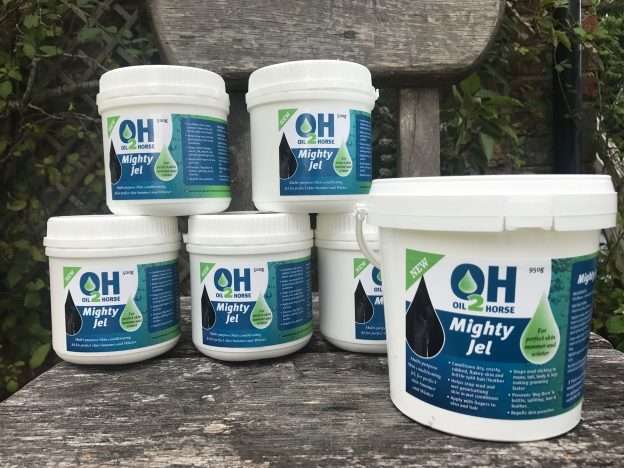
Benefits of Mighty Jel

Oil 2 Horse Might Jel - All Sizes

Mighty Jel is a version of our premium mineral oil – Oil2Horse- that has been specifically designed to treat a cob knee in horses.Cob knee or mallenders is a skin condition that affects the back of the horse’s legs and is characterized by scabs, sores, and inflammation. Mighty Jel is formulated to provide relief from the symptoms of mallenders and promote healing of the affected areas.

One of the key benefits of Mighty Jel is that it is formulated o compliment the delicate pH of equine skin, suppress the overproduction of keratin, moisturise the skin and improve hair regrowth. Used regularly its the perfect maintenance skin product for horses & ponies. Mighty Jel provides horse owners with the reassurance that they are using a product that has been rigorously tested and is safe for their horse.

Mighty Jel is also easy to use, making it a convenient treatment option for horse owners. The gel formulation can be applied directly to the affected areas, and its non-greasy texture means that it will not attract dirt or debris. This makes it ideal for use in the stable or when the horse is turned out in the field.

Another benefit of Mighty Jel is its versatility. While it has been specifically designed to treat mallenders, it can also be used to treat other skin conditions in horses. For example, Mighty Jel can be used to treat mud fever, another common skin condition that affects horses. This makes it a useful addition to any horse owner’s first aid kit, as it can be used to treat a range of skin conditions.

Mighty Jel is also safe for use in horses of all ages and can be used on sensitive skin. This means that it can be used to treat young horses as well as older horses, making it a versatile treatment option for horse owners.This product was developed and trialled on our own thoroughbred horses

In conclusion, Mighty Jel is a safe and effective skin care for all horses & ponies. Its active ingredients work to soothe and heal the affected skin, reducing inflammation and promoting the growth of healthy tissue. Its non-greasy texture makes it easy to apply, and it can be used to treat a range of

Oil 2 Horse Might Jel - All Sizes
Posted on

Sweet Itch

Spotty Pony with Sweet Itch Tail

Sweet itch is a common and frustrating condition that affects many horses, particularly during the summer months. It is caused by an allergic reaction to the bites of certain insects, particularly midges, and can result in intense itching, hair loss, and skin damage. While the precise mechanisms behind sweet itch are not yet fully understood, recent research has shed new light on the role of mast cells in this condition.

Mast cells are a type of immune cell that play a key role in the body’s response to allergens. When exposed to an allergen, such as the saliva of biting insects, mast cells release a variety of chemicals, including histamine, which trigger an inflammatory response. This results in the characteristic symptoms of allergic reactions, such as itching, swelling, and redness.

In horses with sweet itch, mast cells are believed to play a particularly important role. Studies have shown that horses with sweet itch have significantly higher levels of mast cells in their skin than horses without the condition. These mast cells are also more likely to be activated, meaning they are more likely to release histamine and other inflammatory chemicals in response to insect bites.

This increased mast cell activity is thought to be a key contributor to the intense itching and skin damage seen in sweet itch. When mast cells release histamine, it causes blood vessels in the skin to dilate, leading to swelling and redness. It also stimulates nerve endings, resulting in intense itching. Over time, the repeated scratching and rubbing caused by this itching can lead to hair loss, skin damage, and even secondary infections.

While mast cells are clearly an important player in sweet itch, there is still much that is not yet understood about their role in this condition. For example, it is not yet clear why some horses are more prone to sweet itch than others, or why the condition tends to be more common in certain regions. It is also not yet clear why some horses seem to develop sweet itch later in life, while others are affected from a young age.

Despite these uncertainties, there is growing interest in the potential of targeting mast cells as a way of treating sweet itch. Whilst Itch Mast-er is not a cure for sweet itch, it can help to reduce the severity of symptoms and improve the horse’s quality of life.

Buy Itch Mast-er here:https://greathorseproducts.co.uk/product-category/summer-itch/

Spotty Pony with Sweet Itch Tail
Posted on

Mites & CPL

Great Horse Products Itch Master Tub

Mites are tiny arthropods that belong to the class Arachnida, which also includes spiders, scorpions, and ticks. There are many species of mites, some of which are parasitic and can cause health problems in animals. In horses, mites are known to be a cause of skin disease, and can contribute to the development of a condition called Chronic Progressive Lymphedema (CPL), which is a chronic and debilitating disease that affects the lymphatic system of horses. In this article, we will explore the role of mites in CPL in horses.

CPL is a condition that is characterized by swelling and hardening of the limbs, typically the hind legs, due to accumulation of fluid and fibrous tissue in the lymphatic vessels and tissues. CPL can cause pain, lameness, and skin infections, and can severely impact the quality of life of affected horses. The exact causes of CPL are not well understood, but it is believed to be a multifactorial disease that involves genetic, environmental, and infectious factors.

One of the infectious factors that has been implicated in the development of CPL in horses is mites. Specifically, the two species of mites that have been associated with CPL are the chorioptes mite (Chorioptes bovis) and the sarcoptic mange mite (Sarcoptes scabiei).

The chorioptes mite is a non-burrowing mite that lives on the surface of the skin, particularly in areas of the body that are covered with hair, such as the legs and tail. Chorioptes mites feed on the skin and can cause irritation, itching, and hair loss. In horses, chorioptic mange is a common skin disease that is caused by infestation with chorioptes mites. While chorioptic mange is not directly related to CPL, it has been suggested that chronic infestation with chorioptes mites can contribute to the development of CPL by causing damage to the lymphatic vessels and tissues, and by triggering an inflammatory response When chewing the legs.

The sarcoptic mange mite, on the other hand, is a burrowing mite that tunnels into the skin and causes intense itching and inflammation. Sarcoptic mange is a highly contagious skin disease that can affect horses, as well as other animals and humans. While sarcoptic mange is not a common cause of CPL in horses, it has been reported that horses with CPL are more likely to be infested with sarcoptic mange.

Our Itch Mast-er Cream is an ideal soothing, natural remedy to help manage CPL. http://greathorseproducts.co.uk/product/new-itch-mast-er-face-cream/

Great Horse Products Itch Master Tub

Written by GHP